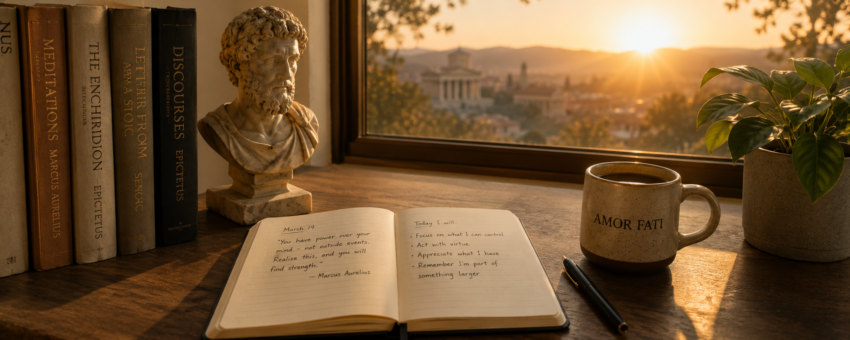
The Enchiridion is a field manual for life. It tells you what you control. It tells you what you do not. It tells you how to act inside that line.
Epictetus had credentials. He was a slave. His leg was broken by his master. He endured it. He was freed. He taught philosophy. He was exiled by Domitian. He taught again. He lived what he said. His school trained men for public life. His book trained them for inner life.
The problem the book addresses is suffering. People suffer because they want what they cannot have. They fear what they cannot avoid. They blame others. They are slaves to things outside them. The book cuts those chains.